

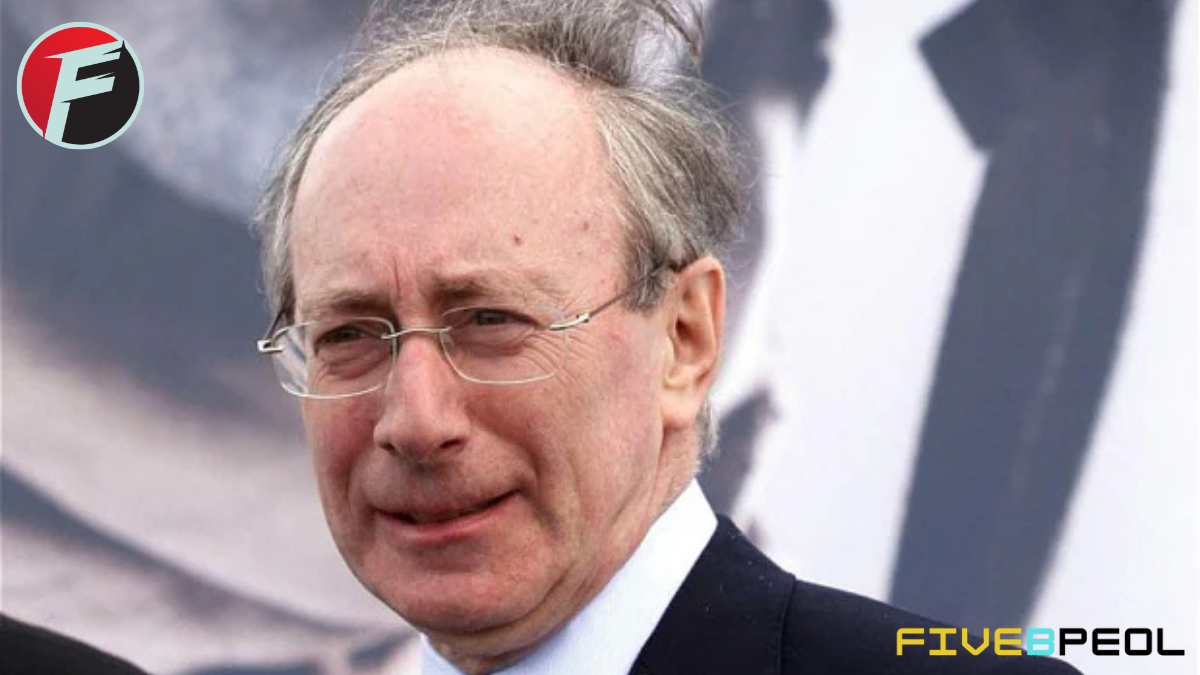
Malcolm Rifkind is a prominent figure in British politics, renowned for his decades-long service in Parliament and his significant influence on foreign, defence, and security policy. Rising to prominence under the leadership of Margaret Thatcher and John Major, Malcolm Rifkind built a reputation for pragmatic decision-making and intellectual rigor. Over the years, his insights on global affairs and national security have cemented his position as a respected authority in British political life.
Throughout his career, Malcolm Rifkind consistently combined legal expertise with political acumen. Beyond his ministerial roles, he contributed to shaping debates on European integration, NATO strategy, and UK defence policy. Even after leaving frontline politics, Malcolm Rifkind has remained active through commentary, public speaking, and writing, offering perspectives rooted in experience and a deep understanding of the workings of government.
Early Life and Educational Background
Malcolm Rifkind was born in Edinburgh, Scotland, in June 1946, and grew up in a household that valued education, civic responsibility, and public service. His formative years in Edinburgh influenced his political outlook and instilled a strong sense of duty and discipline. Malcolm Rifkind’s family background and Scottish heritage shaped both his personal values and his approach to political service, making him a figure closely associated with thoughtful governance.
Educated at George Watson’s College, Malcolm Rifkind went on to study law at the University of Edinburgh. His legal training provided a solid foundation for his political career, equipping him with skills in analytical reasoning, negotiation, and policy interpretation. These capabilities proved invaluable as Malcolm Rifkind navigated complex issues in Parliament, from constitutional matters to international diplomacy, helping him become one of the most capable ministers of his generation.
Entry into Politics and Parliamentary Career
Malcolm Rifkind began his parliamentary career in 1974 when he was elected as the MP for Edinburgh Pentlands. Early in his political journey, he demonstrated remarkable skill in understanding policy details, building consensus, and addressing both local and national concerns. His commitment to public service earned him recognition within the Conservative Party and respect across party lines, establishing him as a thoughtful and reliable politician.
Over the next two decades, Malcolm Rifkind took on various responsibilities in Parliament, gradually ascending to senior ministerial positions. His parliamentary tenure reflected both his versatility and the trust placed in him by party leaders. From his early efforts representing constituents to his later cabinet roles, Malcolm Rifkind consistently emphasised the importance of informed policy-making and practical governance, shaping the course of British politics through his steady influence.
Cabinet Roles and Government Leadership
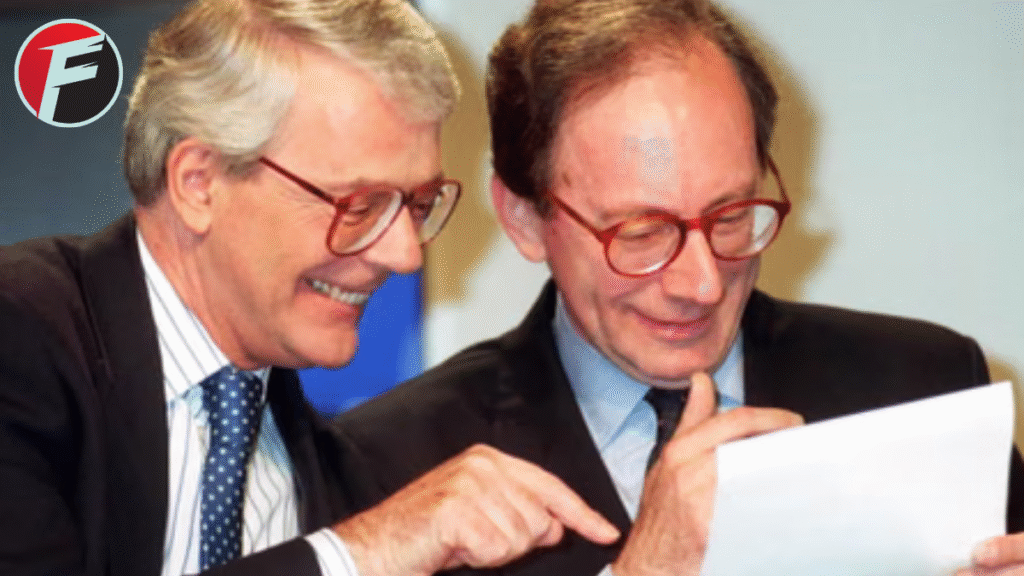
Malcolm Rifkind held several senior positions in the Cabinet, including Secretary of State for Scotland, Defence Secretary, and Foreign Secretary. These roles placed him at the centre of pivotal decisions affecting the United Kingdom during times of significant political and international change. Malcolm Rifkind’s leadership style combined pragmatism with intellectual depth, allowing him to navigate complex policy challenges with precision and foresight.
As Foreign Secretary, Malcolm Rifkind managed the UK’s relations with Europe, the United States, and the wider international community. He played a key role in shaping diplomatic initiatives, defence agreements, and security alliances. His tenure was marked by thoughtful engagement and a commitment to the UK’s strategic interests. Collaborations with other senior ministers, including Ken Clarke, demonstrated Malcolm Rifkind’s capacity to work effectively with peers on high-stakes policy issues.
Defence, Intelligence, and Global Affairs
Malcolm Rifkind’s contributions extended to defence and intelligence, where he helped shape the UK’s military and strategic priorities. As Defence Secretary, he oversaw reforms and policies designed to strengthen national security in an evolving global landscape. His experience enabled him to balance traditional defence commitments with emerging security challenges, leaving a lasting mark on UK defence policy.
Later, Malcolm Rifkind served as Chair of the Intelligence and Security Committee of Parliament, overseeing the country’s intelligence operations. In this capacity, he provided oversight on matters of national security, ensuring accountability while maintaining operational effectiveness. His work in intelligence reinforced his reputation as a meticulous and principled statesman, capable of handling highly sensitive information with discretion and insight.
Brexit and Later Political Views
Malcolm Rifkind remained an active commentator on political issues even after leaving Parliament. Notably, he expressed cautious views on Brexit, highlighting the potential economic and security implications of the UK’s departure from the European Union. Malcolm Rifkind argued for pragmatic engagement with European partners while emphasising Britain’s national interests, demonstrating his continued commitment to reasoned policy discussion.
In recent years, Malcolm Rifkind has contributed to debates through articles, interviews, and public appearances. He continues to influence discourse on foreign affairs, security, and parliamentary governance. His experience and perspective offer a balanced counterpoint to more polarised narratives, reaffirming his role as a thoughtful and authoritative voice in British political life.
Personal Life and Family
Malcolm Rifkind has maintained a relatively private personal life, though public interest in his family and relationships has occasionally emerged. He has been married for decades, and searches for terms like Malcolm Rifkind new wife or Malcolm Rifkind second wife often reflect public curiosity rather than confirmed changes. Malcolm Rifkind has emphasised privacy for his family, including his children, while continuing to focus on public service.
Religion has also featured in public interest regarding Malcolm Rifkind, including queries about whether he is Jewish. He has addressed such questions subtly while maintaining that his faith and personal beliefs are part of a broader commitment to civic duty and public responsibility. Malcolm Rifkind’s family, including his brother and children, have remained largely out of the political spotlight, reflecting his preference for separating private and professional life.
Wealth, Residence, and Lifestyle
Malcolm Rifkind’s long political and professional career has also led to public interest in his financial status. Estimates of Malcolm Rifkind net worth suggest a combination of earnings from politics, speaking engagements, and published work. Despite this, he is best known for his dedication to public service rather than wealth accumulation.
Queries about where Malcolm Rifkind lives are often met with minimal detail, as he has preserved his privacy while continuing to engage publicly through media and academia. His lifestyle reflects the balance of a public figure who values discretion, personal integrity, and ongoing involvement in political and intellectual debates.
Writing, Memoirs, and Public Influence
Malcolm Rifkind has authored memoirs and numerous articles reflecting on his political experiences and insights. His books provide a detailed account of his cabinet roles, parliamentary service, and interactions with key political figures such as Ken Clarke. Malcolm Rifkind’s reflections offer both historical context and personal perspective, appealing to readers interested in British politics and governance.
Even after leaving frontline politics, Malcolm Rifkind continues to contribute to public discourse through lectures, media appearances, and policy commentary. His influence extends beyond direct political action, helping shape debates on foreign policy, defence, and European affairs. Through his writing and public engagement, Malcolm Rifkind remains a respected and enduring figure in British political life.
Conclusion
Malcolm Rifkind’s career exemplifies dedication, intellect, and principled leadership in British politics. From his early parliamentary days to his cabinet roles and post-Parliament commentary, he has consistently demonstrated expertise in foreign affairs, defence, and governance. His legacy endures through memoirs, public engagement, and continued relevance in debates on national and international policy, reflecting a lifetime of commitment to public service.
Frequently Asked Questions
Who is Malcolm Rifkind?
Malcolm Rifkind is a British politician and former cabinet minister known for his service under Margaret Thatcher and John Major.
What is Malcolm Rifkind’s age?
Malcolm Rifkind was born on 21 June 1946, making him 79 years old.
Who is Malcolm Rifkind’s wife?
Malcolm Rifkind is married to Edith Rifkind since 1970.
Did Malcolm Rifkind have a second wife?
No, Malcolm Rifkind has been married only once to Edith Rifkind.
What offices did Malcolm Rifkind hold?
He served as Secretary of State for Scotland, Defence Secretary, and Foreign Secretary, among other roles.
Is Malcolm Rifkind Jewish?
Yes, Malcolm Rifkind is of Jewish heritage.
What is Malcolm Rifkind’s net worth?
Malcolm Rifkind’s estimated net worth comes from politics, writing, and public speaking engagements.
Where does Malcolm Rifkind live?
Malcolm Rifkind resides in the United Kingdom, maintaining a private home away from public attention.
What is Malcolm Rifkind’s stance on Brexit?
Malcolm Rifkind expressed cautious support for remaining closely engaged with Europe despite Brexit.
What books and memoirs has Malcolm Rifkind written?
He has authored memoirs including Power and Pragmatism: The Memoirs of Malcolm Rifkind.
How is Ken Clarke connected to Malcolm Rifkind?
Ken Clarke and Malcolm Rifkind worked together as senior Conservative ministers and shared similar views on key policy matters.
Also Read: john gordon sinclair