

Have you ever walked into a room and felt instantly at ease? Or maybe you’ve entered a space that felt cold and unwelcoming, even if it was beautifully decorated. The difference often comes down to lighting. The right lighting can transform a house into a warm, inviting home, creating a sense of comfort and tranquility.
Good residential lighting design is about more than just illuminating a room; it’s about crafting an atmosphere. It sets the mood, highlights your favorite features, and makes daily activities easier. By understanding a few basic principles, you can turn any room into a cozy retreat. This guide will walk you through the key elements of lighting to help you create spaces that feel just right.
The Three Layers of Light
A well-lit room almost always incorporates three distinct types of lighting. Combining them creates depth, dimension, and functionality.
Ambient Lighting
Ambient lighting is the foundation of your room’s illumination. It’s the general, overall light that allows you to see and move around safely. This usually comes from ceiling fixtures like chandeliers, recessed lights, or flush-mount fixtures. The goal of ambient light is to create a uniform glow throughout the space, setting a comfortable base level of brightness.
Task Lighting
As the name suggests, task lighting helps you perform specific activities, like reading, cooking, or working. It provides focused, direct light right where you need it, preventing eye strain and improving concentration. Examples include desk lamps, under-cabinet kitchen lights, and bedside reading lamps. Good task lighting is essential for creating functional, practical spaces.
Accent Lighting
Accent lighting is the fun part—it’s how you add drama and personality to a room. This type of lighting draws attention to specific features, such as artwork, architectural details, or a textured wall. Track lighting, wall-mounted picture lights, and uplights are common forms of accent lighting. It creates visual interest and highlights the elements that make your home unique.
Understanding Color Temperature
Have you noticed how some light bulbs cast a warm, yellow glow while others emit a cool, blue-white light? This is due to color temperature, which is measured in Kelvins (K).
- Warm Light (2000K–3000K): This light has a soft, yellowish hue, similar to a traditional incandescent bulb or a candle’s flame. It creates a cozy, relaxing, and intimate atmosphere, making it perfect for living rooms, dining rooms, and bedrooms.
- Cool Light (3100K–4500K): This light is bright and white, promoting alertness and focus. It’s ideal for task-oriented spaces like kitchens, home offices, and bathrooms where clarity is important.
- Daylight (4600K and above): This very cool, bluish light mimics natural daylight. While great for certain work environments, it can feel sterile or harsh in a home setting.
For a warm and inviting home, stick to bulbs in the 2700K to 3000K range for your ambient and accent lighting.
Tips for Lighting Placement
Where you place your lights is just as important as the type of light you choose. A strategic residential lighting design approach can make a huge difference.
- Living Room: Combine a central ambient fixture with table lamps for task lighting near seating areas. Use accent lights to highlight a fireplace or a favorite piece of art.
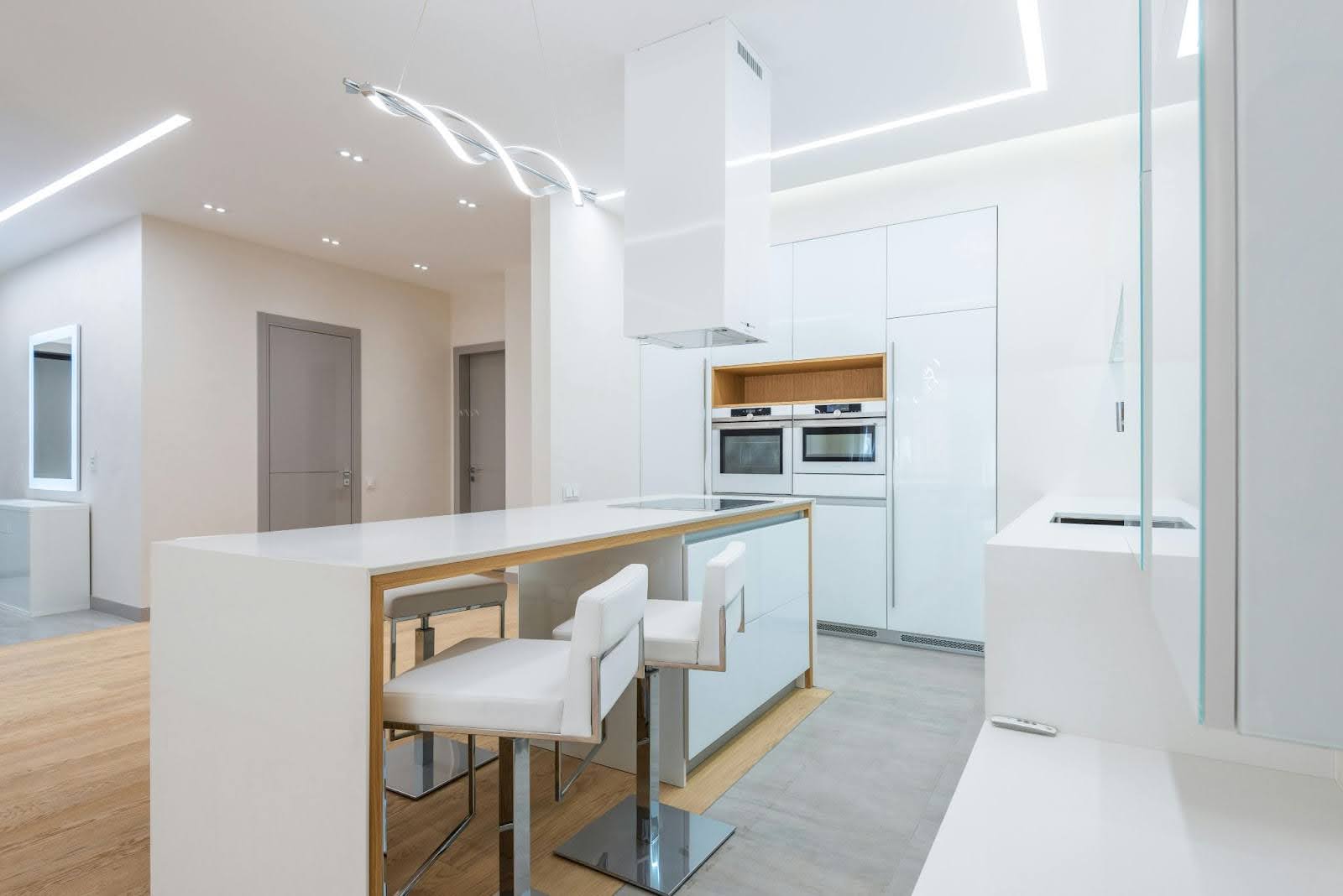
- Kitchen: Start with bright ambient light. Add under-cabinet task lighting to illuminate countertops for food prep. Consider pendant lights over an island for both task and decorative purposes.
- Bedroom: A soft ambient light from a ceiling fixture is a good start. Place reading lamps on nightstands for task lighting. Dimmers are a must-have for creating a relaxing mood.
- Dining Room: A chandelier or pendant light over the dining table serves as the focal point. Ensure it’s on a dimmer to adjust the mood from a bright family meal to an intimate dinner party.
The Convenience of Smart Lighting
Smart lighting systems offer an incredible level of control and customization. With just a tap on your phone or a simple voice command, you can dim the lights, change their color, and even schedule them to turn on or off at specific times. This technology makes it easier than ever to adjust your home’s atmosphere to suit any occasion, whether you’re hosting a party or settling in for a quiet night.
Craft Your Perfect Atmosphere
Creating a warm and inviting home is an art, and lighting is one of your most powerful tools. By layering ambient, task, and accent lighting and choosing the right color temperatures, you can craft spaces that are not only beautiful but also deeply comfortable.
Don’t be afraid to experiment. Move lamps around, try different bulbs, and see what feels best to you. Your home should be a reflection of your personality, and with thoughtful lighting, you can make it a place where you and your guests always feel welcome.
 Admin
Admin