

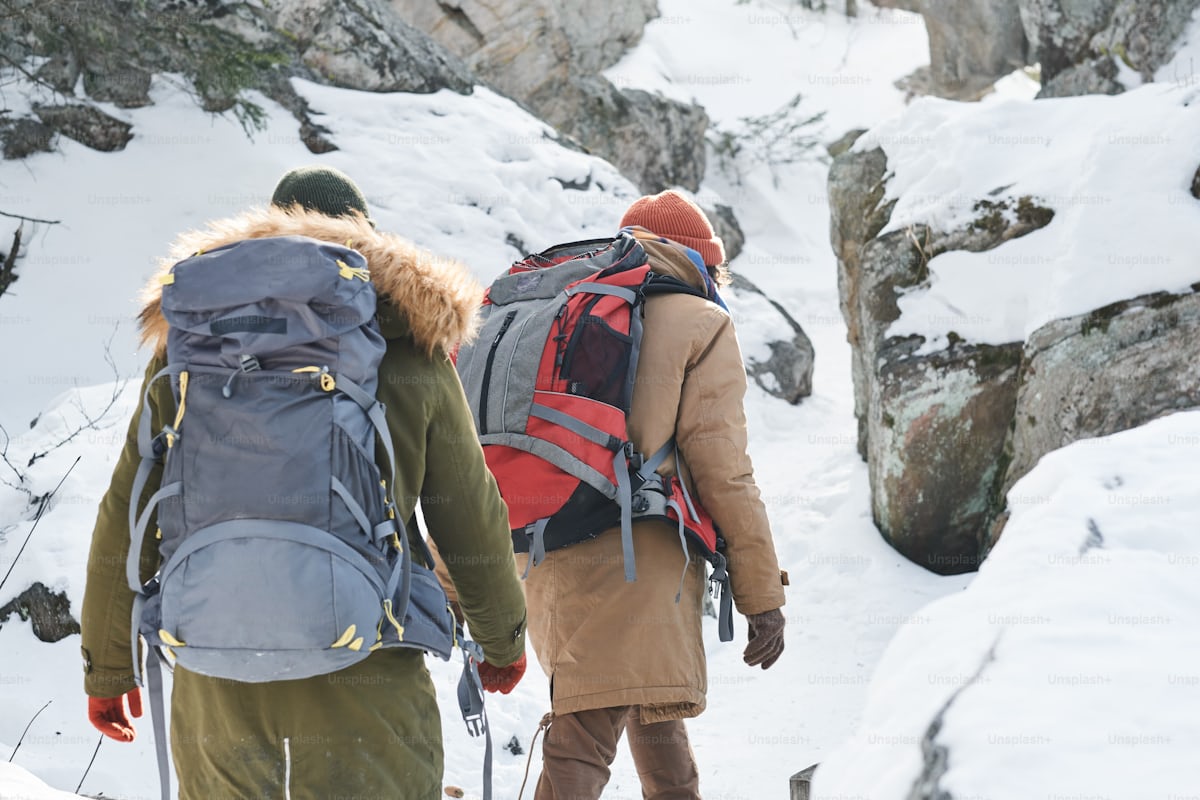
From reef dives to rugged bush trails, Australia is built for people who like to push themselves outdoors. And for the last decade, one tiny camera has become almost synonymous with that lifestyle: the GoPro Hero. It has followed surfers into heavy swell, mountain bikers down rocky tracks and travellers through chaotic city streets and remote outback roads.
But with so many generations now on the market, the real question for most adventure seekers is not “Is GoPro good?” but “Which GoPro is actually the best value for how I live and shoot?”
To answer that, it helps to look less at technical spec sheets and more at what you genuinely need in the field.
What Adventure Seekers Really Need from a GoPro
When you are in the middle of a run, paddle, climb or road trip, you are not thinking about bitrates or sensor sizes. You want footage that looks smooth, sharp and alive, without fuss. For most people who are active outdoors, that comes down to a few essentials: trustworthy stabilisation so your POV clips do not make people seasick, at least 4K or high-quality 1080p recording so the footage still looks good in a few years, decent battery life with room in your kit for a spare, a tough body that shrugs off knocks and water and a menu system that lets you change modes quickly without missing the moment.
Every new Hero generation improves on these foundations, but there is a point where improvements become incremental rather than game-changing. That is where the value equation starts to get interesting.
Older Generations: Cheap, Fun, but Clearly Dated
Go back far enough in the GoPro timeline and you will find earlier Hero models at very low prices, especially second-hand. For someone who just wants to strap a camera on for occasional fun, they can still deliver that classic wide-angle action look. However, there are trade-offs that matter if you are serious about capturing your adventures.
Stabilisation on these older models is usually basic, so running, skiing or shaky bike footage can feel jarring compared with modern clips you see online. Low-light performance drops off quickly at dawn, dusk or in the shade of forests. Menus can be slower and less intuitive, and battery life may already be compromised if the camera has seen heavy use. These cameras are fine for bright, casual use but they will show their age as soon as conditions get more demanding.
The Modern Sweet Spot: Recent Hero Generations
The big leap in day-to-day usability came with the more recent Hero generations. Here, stabilisation feels almost surreal, 4K has become standard and the handling is closer to a tiny production camera than a simple gadget. For most adventure seekers, this era of GoPro offers the best balance between performance and price.
With one of these newer models, handheld running footage looks surprisingly smooth. Helmet or chest-mounted clips on rough mountain bike tracks feel cinematic rather than chaotic. You can shoot high-resolution video and still have room to crop or downscale for extra sharpness. Low-light performance is more forgiving, so early morning and late afternoon sessions look much better than they did a few generations ago. Menus and touchscreens also respond quickly, which matters when you are standing in the wind on a cliff or in the lineup trying to change modes between sets.
The key advantage here is that you are getting most of what the latest flagship offers, but usually at a noticeably lower price, because one newer version has since taken the top spot in the range. For someone who wants high-quality memories of hikes, rides, dives and trips without paying absolute top dollar, this is often the smartest place to buy.
Flagship Models: When the Newest Makes Sense
There are situations where the very latest Hero model is the right call. If you create content regularly for YouTube, Instagram or TikTok and you want every advantage in dynamic range, stabilisation and frame rate options, the flagship’s refinements will matter. If you frequently shoot in difficult light or push long sessions of high-resolution recording, the faster processors and better heat management can be worth the extra cost. And if you see yourself using the camera heavily for years, buying the newest model extends its “future proof” life before it starts to feel dated.
For the typical adventure seeker, the step up from a recent Hero to the newest flagship will be noticeable, but not always decisive. If your main goal is to document your sessions and trips to a high standard for personal use, the jump in quality may not justify the price difference. If you are trying to build a channel, brand or side business around your footage, it often will.
Why Accessories Matter as Much as the Camera
Whatever generation you choose, your experience will be shaped just as much by how you mount and protect your camera as by the camera itself. A GoPro that never leaves your pocket is not capturing anything.
This is where building a small ecosystem of GoPro camera accessories makes a huge difference. A chest mount gives incredibly immersive biking, skiing or running shots. A helmet mount is perfect for motorcycling and certain snowsports. A floating hand grip is essential around water. Simple things like a rugged case, ND filters for bright days and a compact tripod for static shots can dramatically expand what and how you shoot.
Because the basic mount system has stayed consistent, accessories tend to work across multiple generations. That means you can upgrade your camera down the line while still using most of the gear you have invested in. From a value perspective, it is sometimes smarter to choose a slightly cheaper Hero model and use the saved budget to buy a couple of well-chosen mounts, rather than spend everything on the camera body and have nothing left to attach it with.
Finding the Best Value for Your Style of Adventure
In practical terms, the best value for most adventure seekers usually ends up being a recent, but not brand-new, Hero paired with a small set of essential accessories and at least one spare battery. That combination gives you modern stabilisation, strong image quality and enough flexibility to capture almost anything you are likely to do outdoors in Australia, from surf trips and 4WD weekends to trail runs, camping missions and overseas adventures.
If your ambitions are more serious and you plan to edit full highlight reels, colour grade footage and maybe even use your clips in paid work, stepping up to the flagship and building a more complete kit is a smart long-term investment. If you mainly want to record and relive the best parts of your adventures with friends and family, you will usually get more joy from an affordable recent model plus the right mounts than from chasing the very latest spec sheets.
Retailers like Diamonds Camera make it easier to compare generations side by side and build a setup that actually fits how you live, rather than how marketing copy assumes you do. In the end, the “best” GoPro is the one you are happy to take everywhere, confident that it will survive the trip and capture the story the way you experienced it.
 Admin
Admin