

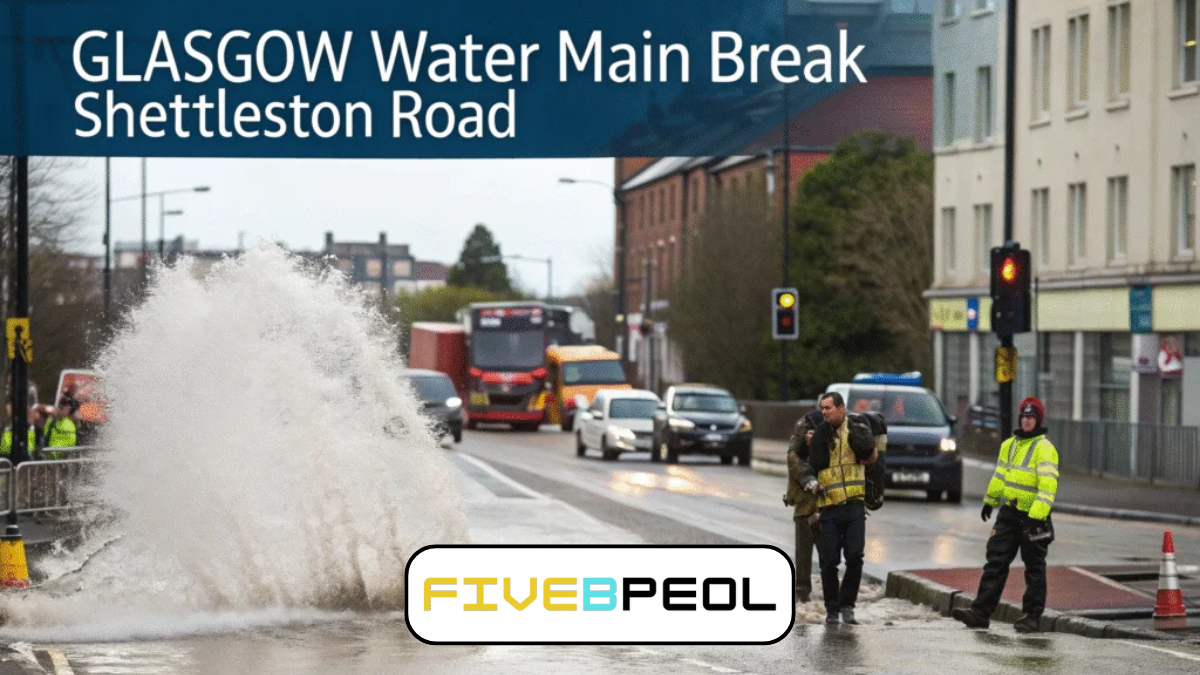
The recent glasgow water main break shettleston road caused significant disruption for residents, businesses, and commuters across the G32 area. Flooding spread quickly along the main route, forcing emergency services and Scottish Water teams to respond urgently. The incident highlighted challenges in Glasgow’s ageing water infrastructure and stressed the importance of clear communication during such emergencies.
Residents and commuters relied heavily on Shettleston Road, making the glasgow water main break shettleston road particularly impactful. Updates about road closures, water supply interruptions, and repair progress became essential as people sought accurate information. This article provides a comprehensive look at the incident, its impact, and the ongoing response.
What Happened on Shettleston Road
The glasgow water main break shettleston road occurred early in the morning when a major pipe ruptured near the junction of Hart Street and St Mark Street. Water gushed through cracks in the road, creating large pools and minor erosion along pavements. The burst disrupted morning routines and caused traffic delays for commuters and public transport users.
Emergency services and Scottish Water crews arrived swiftly to contain the damage and shut off the affected section. Their quick response prevented further flooding, but local residents and businesses still experienced inconvenience. Eyewitnesses described the scene as chaotic, with water flowing rapidly across streets and causing temporary access issues.
Location Details and Affected Areas
The incident specifically affected Shettleston Road near Hart Street and St Mark Street, a busy east end corridor. Flooding extended into adjacent streets, making walking and driving unsafe. Local shops and businesses were forced to delay opening, while some residential properties experienced minor flooding at entrances.
The surrounding G32 community faced travel restrictions and reduced access to essential services. While no severe property damage occurred, the disruption highlighted the road’s importance for daily travel, school runs, and local commerce. Residents quickly sought updates from Scottish Water to determine the extent of the impact.
Impact on Water Supply
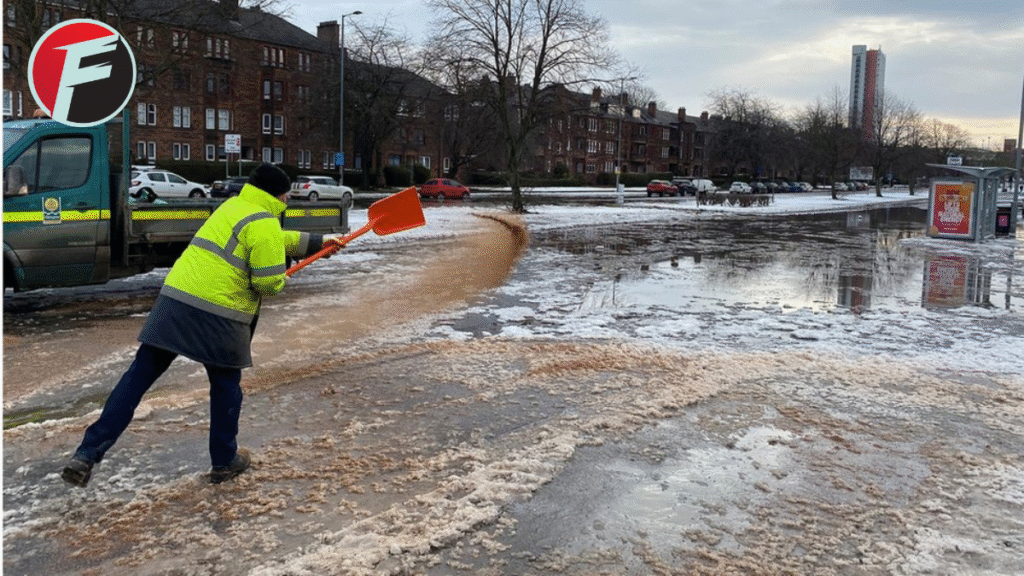
The glasgow water main break shettleston road affected household water supply in nearby areas. Many residents reported low pressure, intermittent flow, or temporary outages. Higher elevation homes were most impacted, as pressure drops limited water availability for daily activities and essential tasks.
Scottish Water communicated regularly with affected residents, advising them on temporary storage of water and updates on repair timelines. Emergency water provision was prepared but not required for long-term use. Most properties had supply restored once initial repairs stabilised the mains.
Traffic Disruption and Road Closures
Traffic disruption was one of the most visible effects of the glasgow water main break shettleston road. Authorities closed the road to ensure public safety and allow repair crews full access. This led to heavy congestion on diversion routes and delayed bus services, affecting commuters across the east end.
Motorists unfamiliar with the detours faced delays, while emergency vehicles coordinated with traffic officials to manage congestion. Road closures lasted longer than expected due to excavation and safety checks. Authorities advised drivers to avoid the area until full restoration and resurfacing were completed.
Repair Efforts and Response
Repair teams worked continuously to resolve the glasgow water main break shettleston road. They first isolated the ruptured section, drained standing water, and excavated the road to access the damaged pipe. The process required careful planning to avoid affecting nearby utilities and ensure long-term stability.
Damaged pipe segments were replaced with reinforced materials, and the supply system was thoroughly tested. Scottish Water issued regular updates about repair progress and expected reopening times. Road resurfacing was completed after repairs, allowing safe use for vehicles and pedestrians.
Eyewitness Accounts and Community Response
Residents near the glasgow water main break shettleston road shared dramatic accounts of the flooding. Many described streets resembling fast-flowing streams and waking to the sound of rushing water. Some expressed concerns for parked vehicles, while praising the prompt response of emergency crews.
Local businesses faced uncertainty as openings were delayed, but the community showed resilience. Neighbours shared information, helped vulnerable residents, and stayed informed through social media. Real-time updates complemented official communications, keeping the public aware and safe.
Why Burst Water Mains Happen in Glasgow
The glasgow water main break shettleston road highlights issues with older infrastructure. Many of Glasgow’s pipes are decades old and vulnerable to pressure changes, temperature fluctuations, and ground movement. These factors can weaken pipelines over time, increasing the risk of sudden bursts.
Scottish Water is actively investing in upgrades to reduce future incidents, including modernising key sections of the network and improving monitoring. However, occasional ruptures remain inevitable due to the scale of Glasgow’s water system. The Shettleston Road incident underscores the importance of continuous investment in infrastructure maintenance.
What Residents Should Do During a Water Main Break
During incidents like the glasgow water main break shettleston road, residents should check official Scottish Water channels, including the “In Your Area” tool, for real-time updates. Staying informed ensures safe decision-making and reduces stress during disruptions.
Residents are advised to store emergency water, avoid floodwater, and follow guidance on safe usage after repairs. Running taps briefly after restoration helps flush air or sediment from pipes. Taking these precautions ensures households remain safe and water supply returns to normal efficiently.
Conclusion
The glasgow water main break shettleston road caused major disruption but highlighted the efficiency of emergency response and community resilience. Swift repair efforts restored water supply and road access, mitigating long-term impacts. The incident also emphasised the importance of infrastructure upgrades to prevent future bursts in Glasgow.
Residents are encouraged to stay informed through official channels and understand the causes of such incidents. With continuous improvements by Scottish Water, the community can expect increased reliability and faster response to emergencies in the future.
FAQs
What caused the water main to burst?
Most bursts occur due to ageing infrastructure, pressure fluctuations, or ground movement.
How long was Shettleston Road closed?
The road remained closed until repairs were completed and safety checks ensured it was safe for traffic.
Did residents lose water supply?
Some homes experienced low pressure or short outages, but supply was restored steadily as repairs progressed.
Is the water safe after repairs?
Yes, though residents are advised to run taps briefly to clear any trapped air.
Who provides official updates?
Scottish Water’s website, helpline, and social media channels share verified updates.
Which areas were most affected?
The section near Hart Street and St Mark Street in the G32 postcode faced the heaviest disruption.
What should residents do during a water main break?
Check official updates, store emergency water, avoid floodwater, and follow safety guidance.
Also Read: Emma Murphy