

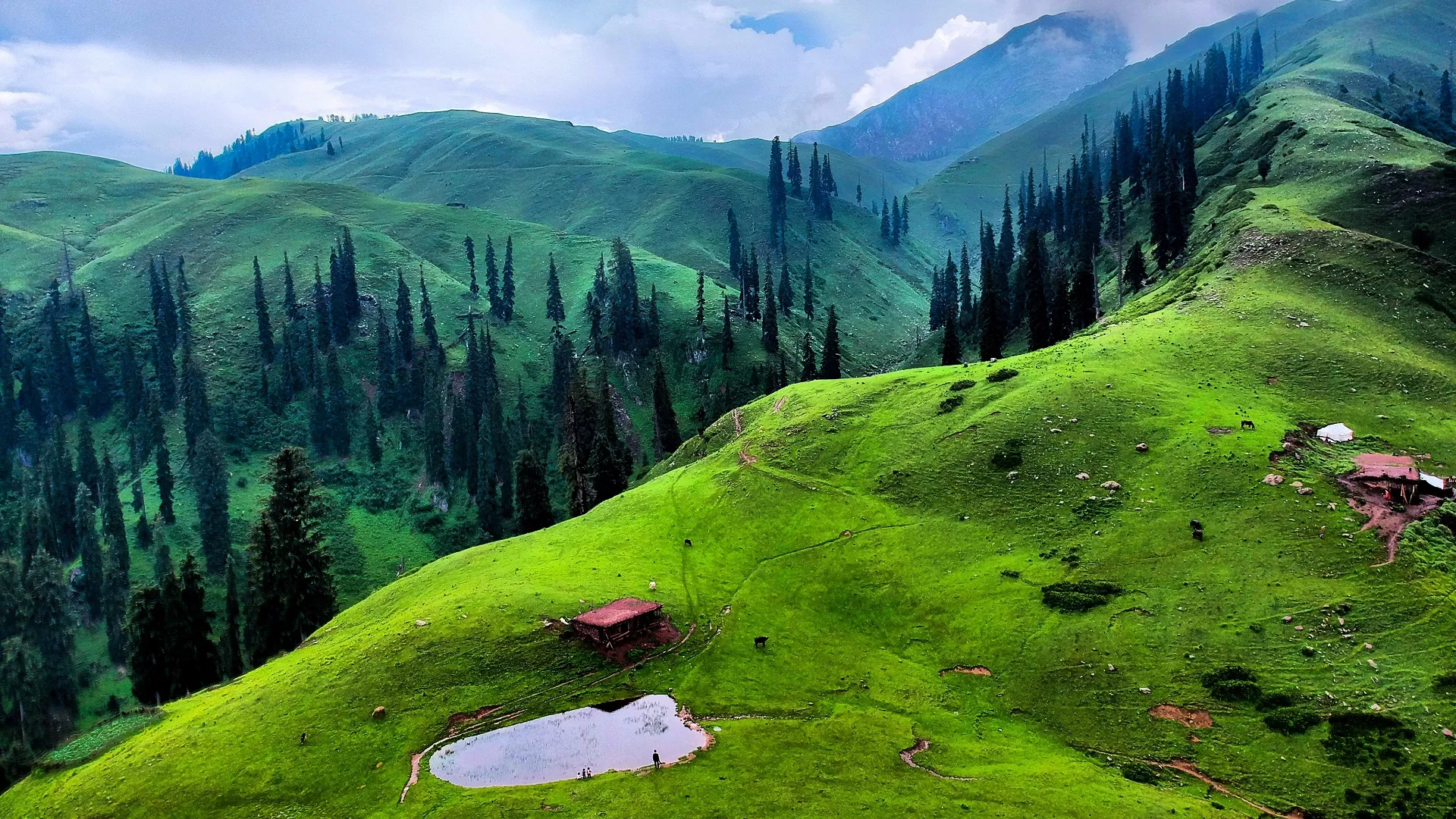
Pakistan’s geography creates one of the most varied climates in South Asia. From snow covered mountain ranges in the north to coastal humidity in the south and desert heat in between, the weather can change dramatically depending on where and when you travel. Understanding these climate zones is key to choosing the right time to visit, particularly for first time travellers planning a mix of cities, cultural sites and outdoor experiences.
Spring March to May
Spring is widely considered one of the best times to visit Pakistan. Temperatures begin to rise after winter but remain comfortable across most regions. In cities such as Lahore and Islamabad, days are warm without being oppressive, making sightseeing far more enjoyable than in peak summer.
In the north, spring marks the reopening of mountain roads after winter snowfall. Hunza, Skardu and nearby valleys start to come back to life, with blossoming trees and clearer skies. While some high altitude passes may still be closed in early spring, May is an excellent month for travellers wanting scenic landscapes without large crowds.
Spring is also a popular period for travellers booking flights to Pakistan, as it offers a balance of good weather and manageable tourist numbers.
Summer June to August
Summer is the most challenging season for travel in much of Pakistan. Temperatures in cities such as Lahore and Karachi can exceed 40 degrees Celsius, particularly in June and July. Heatwaves are common, and sightseeing during the middle of the day can be exhausting.
However, summer is peak season in the northern mountains. Areas like Hunza, Fairy Meadows and the Karakoram Highway offer cooler temperatures and dramatic scenery during these months. This makes summer ideal for trekkers and travellers focused on alpine regions rather than urban centres.
The monsoon season typically runs from July to August, bringing heavy rainfall to parts of Punjab and northern Pakistan. While this can cool temperatures slightly, it also increases the risk of flooding and landslides, particularly on mountain roads.
Autumn September to November
Autumn is another excellent time to visit. The monsoon rains fade, skies clear and temperatures drop to comfortable levels across most of the country. Cities become easier to explore, and northern regions remain accessible before winter snowfall begins.
October is particularly popular for mountain travel, offering crisp air and clear views without the crowds of peak summer. Autumn foliage adds to the appeal in northern valleys, making it a favourite season for photographers.
For travellers interested in both cultural sites and natural scenery, autumn offers one of the best overall travel windows.
Winter December to February
Winter conditions vary sharply by region. In cities such as Karachi, winter brings mild and pleasant weather, making it a good time to explore coastal areas. Islamabad and Lahore experience cooler temperatures, especially in the evenings, but remain manageable for sightseeing.
In contrast, much of northern Pakistan becomes inaccessible due to heavy snowfall. Roads close, flights are frequently disrupted and accommodation options are limited. Winter is not ideal for mountain travel unless visitors are specifically seeking snow landscapes and are prepared for logistical challenges.
Winter is often a quieter period for international tourism, which can make flight tickets to Pakistan more affordable for travellers focused on city based itineraries.
Best months for cities versus mountains
For city travel, the best months are generally March to April and October to November. These periods offer comfortable temperatures and fewer weather related disruptions.
For mountain regions, the ideal window runs from June to September, with July and August being the warmest and most accessible. Those wanting to avoid monsoon risks should aim for June or September, depending on road conditions.
Trying to combine cities and high altitude regions in one trip is best done in late spring or early autumn, when conditions across the country are more balanced.
Key festivals and events
Pakistan’s calendar includes several major religious and cultural events that can shape travel plans. Ramadan affects daily routines nationwide, with shorter business hours and quieter daytime streets, followed by lively evenings. Eid festivals bring celebrations but also transport congestion, as many residents travel to see family.
Basant, celebrated in parts of Punjab in spring, is known for kite flying and cultural events, though official celebrations vary year by year. Independence Day in August brings national celebrations, particularly in major cities.
Travellers should be aware that festivals can increase accommodation prices and affect transport availability.
When to avoid travelling
Extreme heat in May and June can make city travel uncomfortable. July and August carry monsoon risks, especially in northern and eastern regions. Winter travel to high altitude areas should be avoided unless conditions are carefully monitored.
Final planning advice
Choosing the right season shapes the entire travel experience in Pakistan. Once dates are set, booking accommodation early in peak periods is important, particularly in the north. Monitoring weather patterns and building flexibility into itineraries helps avoid disruptions.
Whether planning months ahead or searching for last minute flights to Pakistan, aligning travel dates with weather and regional conditions ensures a more comfortable and rewarding visit.
Also Read: Martha Atack