

As the digital landscape continues to evolve, businesses can no longer rely on single-channel communication to engage their audience effectively. The emergence of multi-channel marketing automation has opened doors to more sophisticated and user-centric marketing strategies. By integrating this approach, companies can deliver personalized experiences across various platforms that meet their customers where they are. This seamless connection between channels not only boosts engagement but also strengthens brand loyalty. Below, we delve into the advantages of multi-channel marketing automation and its impactful role in a modern digital strategy.
Understanding Multi-Channel Marketing Automation and Its Role in Digital Strategy
Multi-channel marketing automation is the coordinated execution of marketing campaigns across multiple digital platforms, such as email, social media, mobile, and web. This integration allows businesses to communicate with their audience in a unified voice, ensuring that the brand’s message is consistent no matter where it is encountered. With the right tools, marketers can automate processes and campaigns that adapt to user behavior, preferences, and triggers in real-time.
The role of multi-channel marketing automation in digital strategy is to streamline marketing efforts and enhance their effectiveness. By having a system that automatically manages multi-channel campaigns, businesses can save time and resources, freeing up marketers to focus on strategy and creative development. Additionally, this approach allows for a more responsive marketing model that can quickly adapt to changes in consumer behavior or market conditions.
To implement a comprehensive multi-channel marketing automation strategy, businesses must understand how to use multi-channel marketing automation tools like Adestra. This includes selecting the right platforms, defining clear objectives, and aligning their approach with their overall digital roadmap. With a solid understanding of these factors, companies can create a foundation for automation that translates into tangible results.
Streamlining Marketing Operations and Efficiencies Through Automation
Alt text: Teammates discussing how to use multi-channel marketing automation to maintain data consistency.
Marketing operations can often entail repetitive and labor-intensive tasks. Through marketing automation, these processes become more efficient, allowing teams to allocate their time and skills toward more strategic initiatives. Automation software can manage routine tasks like email campaign distribution, lead scoring, and analytics reporting effortlessly.
Additionally, automation helps in maintaining data consistency across platforms. It ensures that customer interactions are not siloed within one channel but are integrated into the overall marketing strategy. This holistic view of customer data enables marketers to fine-tune their strategies and respond more effectively to changes in customer behavior.
Efficiency gains from automation extend to scalability as well. As businesses grow, the complexity and volume of marketing tasks also increase. Automation systems can scale with the business, managing increased demands without the need for proportionally increasing marketing staff.
Leveraging Data Insights for Improved Targeting and Personalization in Multi-Channel Campaigns
Alt text: An employee figuring out how to use multi-channel marketing automation to identify patterns, preferences, and behaviors.
Data insights lie at the heart of effective multi-channel marketing automation. By collecting and analyzing data from various channels, marketers can gain a deeper understanding of their audience. They can identify patterns, preferences, and behaviors that inform the creation of more targeted and personalized campaigns.
Marketing automation tools come equipped with advanced analytics that can track user interactions and measure campaign success in real-time. These insights allow marketers to make data-driven decisions, refining their messaging and offers to resonate more strongly with the intended audience.
Personalization, facilitated by rich data insights, elevates the relevance of marketing messages. When customers feel that brands understand their unique needs, they’re more likely to engage and convert. An automated system can dynamically adjust content and timing to ensure each communication feels tailored to the recipient.
Measuring the Success and ROI of Multi-Channel Marketing Automation Efforts
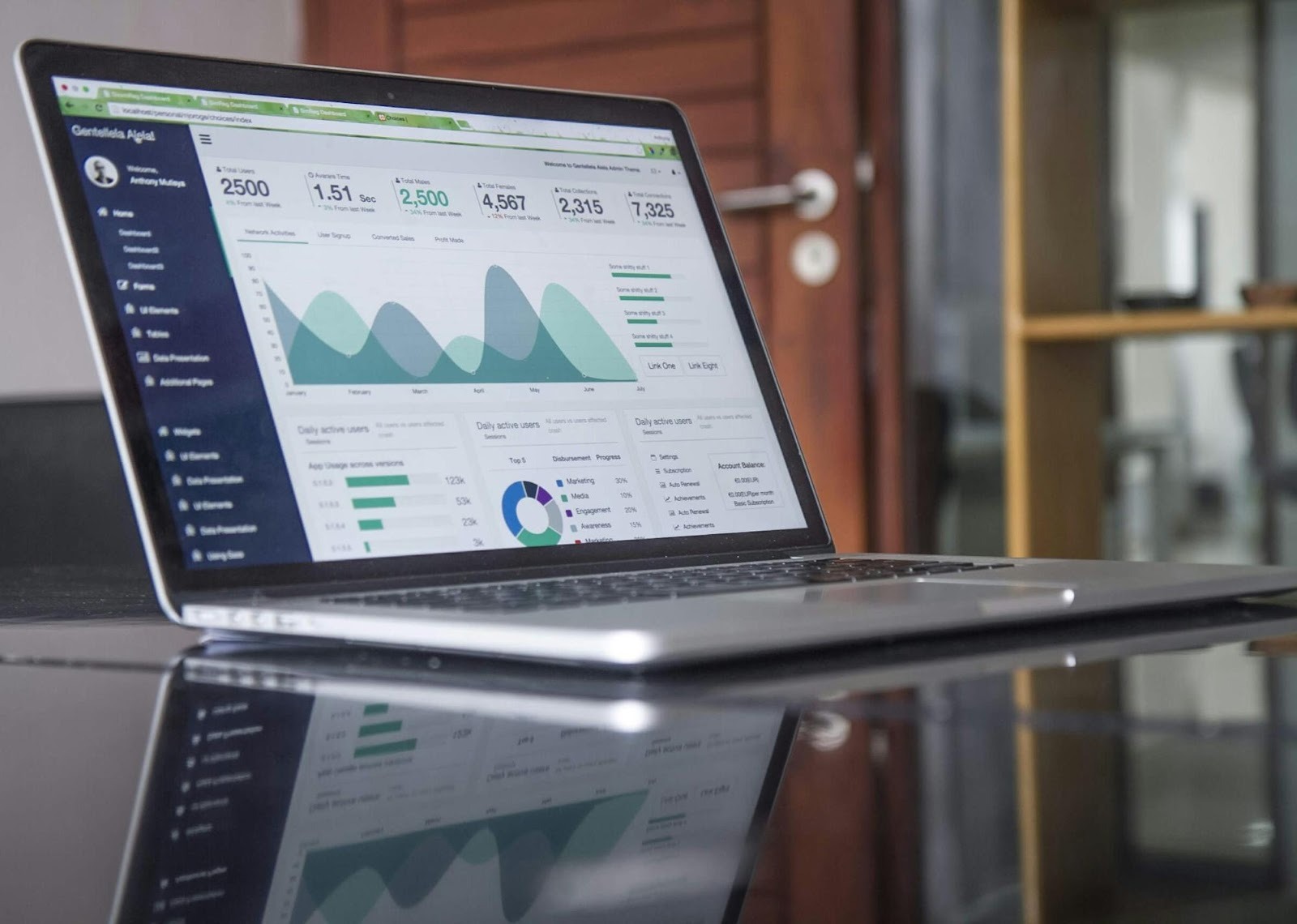
Assessing the impact of multi-channel marketing automation is crucial for understanding its value to the business. Measuring success involves tracking a variety of key performance indicators (KPIs), such as engagement rates, conversion rates, customer lifetime value, and overall return on investment. With automation, capturing and analyzing these metrics becomes a streamlined process.
Automation tools offer comprehensive reporting features that facilitate real-time monitoring and long-term tracking of campaigns. Marketers can readily identify which strategies are working and which need adjustment, ensuring ongoing optimization of their multi-channel efforts.
Altogether, the strategic implementation of multi-channel marketing automation can lead to refined customer engagement, operational efficiencies, and a data-driven approach that enhances targeting and personalization. Embracing this technology enables businesses to build stronger connections with their audience while gaining valuable insights to bolster their digital strategy. Overall, the benefits are clear, and with the right tools and approach, multi-channel marketing automation can become a linchpin for digital success.